The Aging Process: Vacuum-Sealed vs. Open-Air Control
Wet Aging
Wet aging is a modern, industrial method in which beef is vacuum-sealed in plastic and stored under refrigeration, typically for 7 to 21 days. The meat ages in its own juices in an anaerobic (oxygen-free) environment. This approach is widely used in commercial meat production due to its efficiency, minimal weight loss, and ease of handling.
Key characteristics of wet aging include:
- Vacuum-sealed in plastic
- Anaerobic environment with no air exposure
- Minimal moisture loss
- Common in mass-market distribution
Himalayan Salt Dry Aging
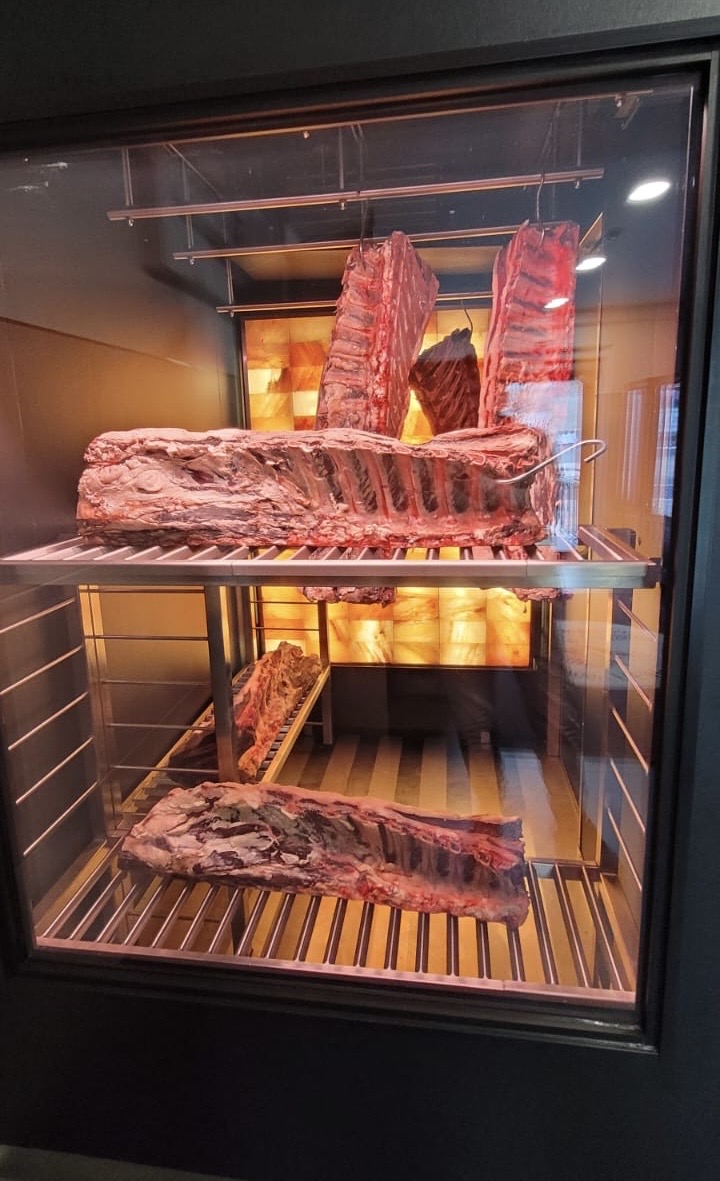
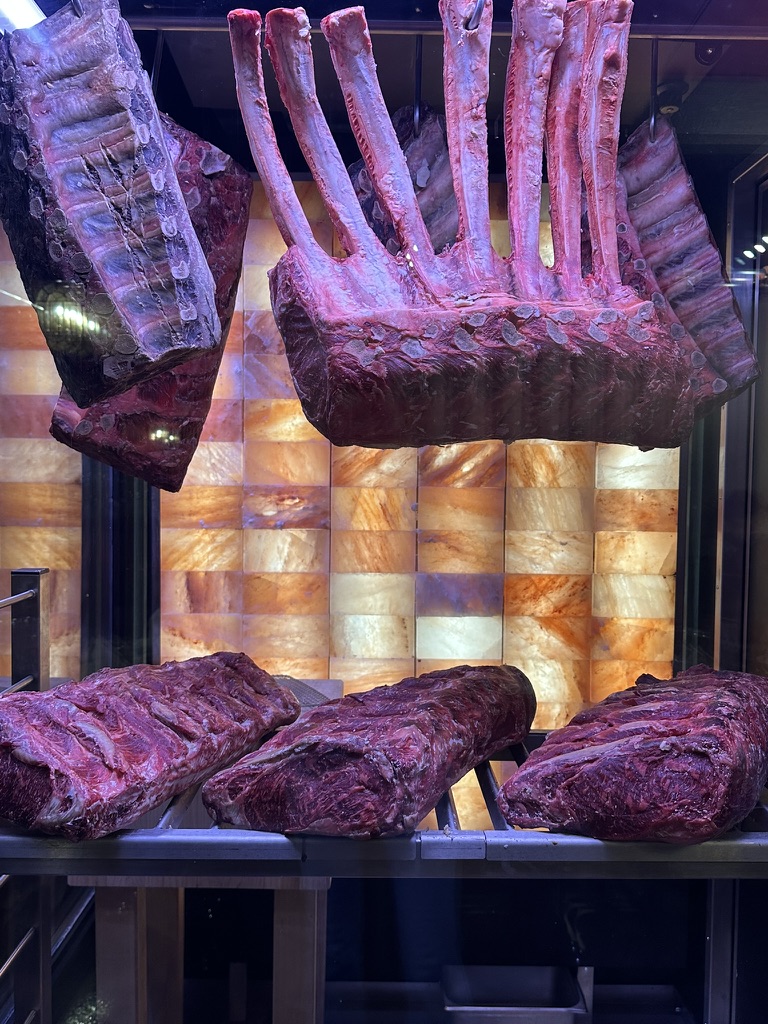
Dry aging with Himalayan salt follows a traditional, natural approach, refined through precise environmental control. Beef is aged in open air within a dedicated chamber lined with blocks of Himalayan salt. These chambers regulate temperature, humidity, and airflow, while the salt helps stabilize the environment and support the formation of a natural protective crust on the meat.
Key characteristics of Himalayan salt dry aging include:
- Open-air aging under controlled conditions
- Gradual moisture evaporation
- Natural enzymatic breakdown of muscle fibers
- Concentration of flavor over time
Flavor Profiles: How Taste Develops
Wet-Aged Beef
Because wet-aged beef remains sealed in its own juices, lactic acid accumulates during aging. This can result in flavors often described as metallic, slightly sour, or flat. While the texture is tender, the absence of oxygen and moisture loss limits flavor development.
Typical flavor characteristics:
- Mild beef flavor
- Slightly sour or metallic notes
- Limited complexity
Himalayan Salt Dry-Aged Beef
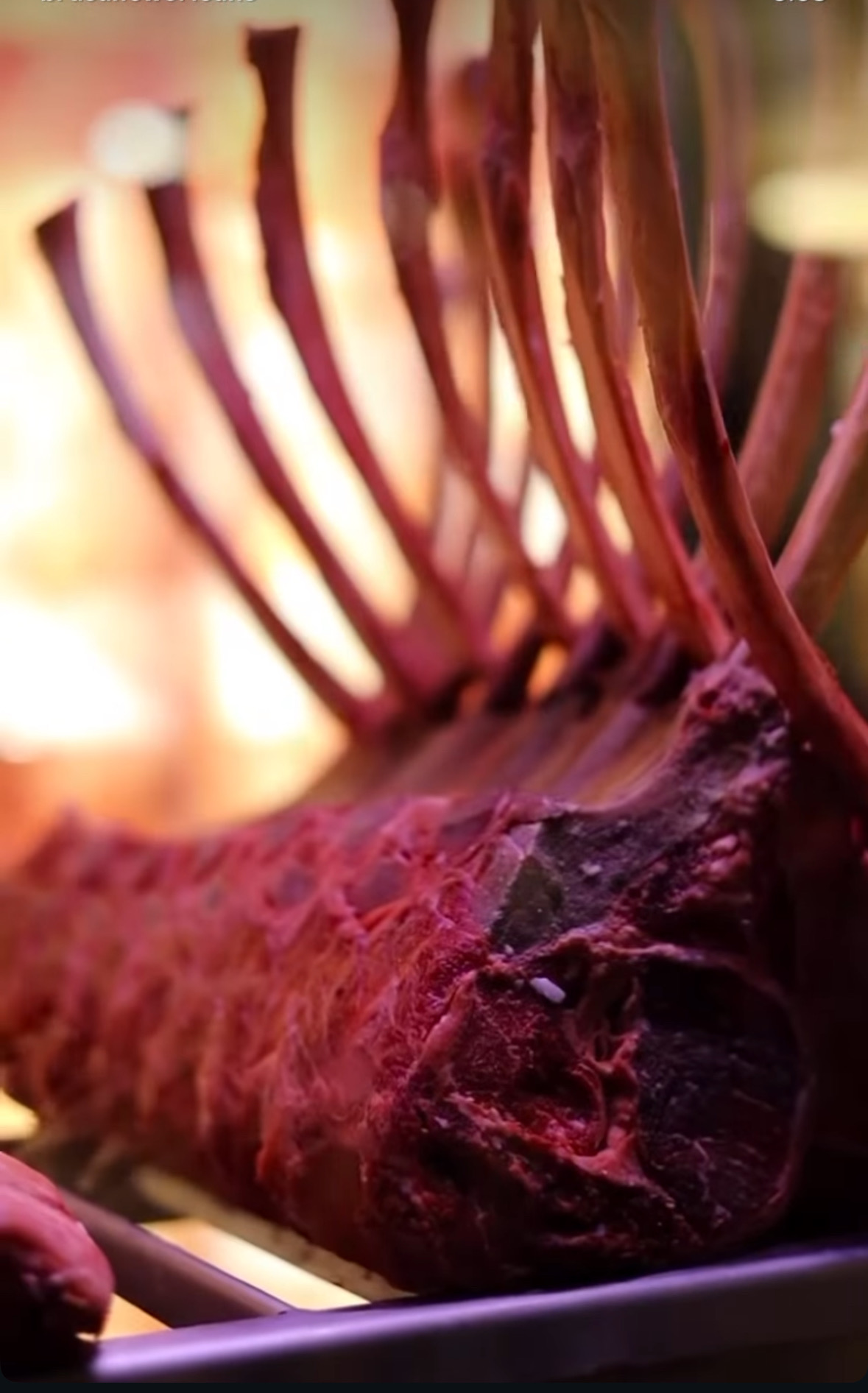
Dry-aged beef develops flavor through a combination of enzymatic activity, oxidation, and moisture loss. As water gradually evaporates, flavor compounds become more concentrated. The result is a richer, more expressive profile commonly associated with premium dry-aged beef.
Typical flavor characteristics:
- Umami-forward and nutty
- Concentrated beef flavor
- Clean, lingering finish
Yield and Quality Considerations
Wet aging offers higher yield because there is little to no moisture loss or trimming. However, this efficiency comes at the expense of flavor depth.
Dry aging results in some trim loss and weight reduction, but the remaining product delivers significantly greater flavor intensity and perceived value. For many chefs, butchers, and retailers, this trade-off is essential to delivering a premium eating experience.
Choosing the Right Aging Method
Wet aging provides a consistent, tender product that suits large-scale distribution and cost efficiency. Dry aging, by contrast, prioritizes flavor development, complexity, and distinction.
Ultimately, the choice comes down to intent:
whether the goal is efficiency and uniformity, or depth of flavor and a more expressive final product.
Learn More About The Aging Room® Dry-Aging Chamber
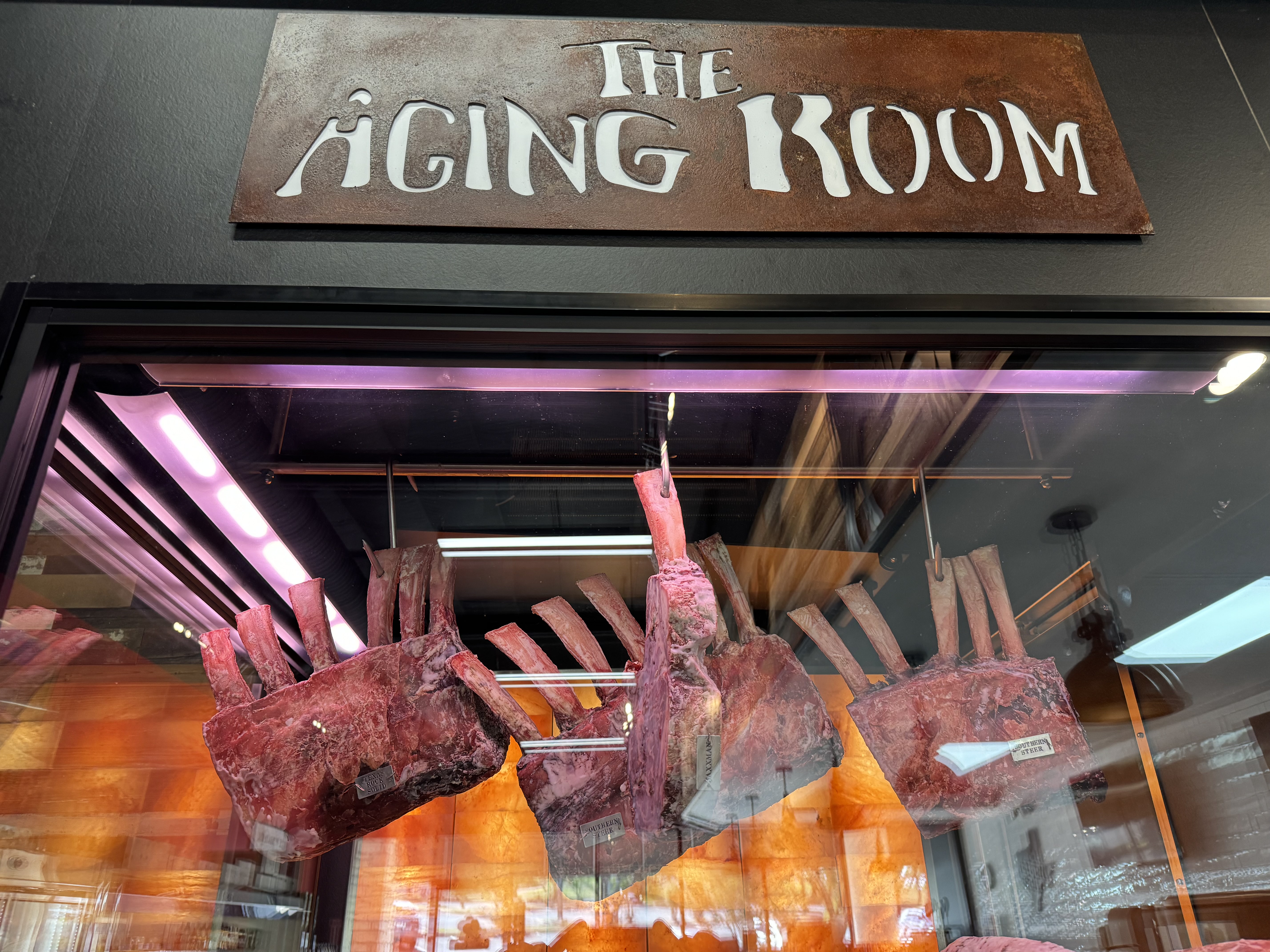
By combining traditional aging principles with modern technology, The Aging Room® uses state-of-the-art climate control and Himalayan salt to create a stable, aging-friendly microclimate. This environment supports a fully natural dry-aging process, allowing flavor and tenderness to develop without freezing, vacuum sealing, or chemical preservation.
Meat rests and ripens in open air under controlled conditions, enabling restaurants, butcheries, and retail shops to utilize the full value of each cut—including pellicle and bones.
Learn more about the benefits of The Aging Room® Dry-Aging Chamber.